Introduction
Masonry has been a cornerstone of architectural design and construction for centuries. The strategies used by knowledgeable stonework service providers have advanced significantly from the ancient people that initially used the power of stone and brick. In this short article, we'll dig deep right into the globe of stonework, discovering its rich history, contemporary improvements, and insights from experienced professionals in the field.
What is Masonry?
Masonry describes the structure procedure that uses products such as stone, brick, or cinder block. It's an approach that not only stands the test of time however likewise provides visual appeal and architectural integrity. With roots mapping back thousands of years, stonework has been critical in developing a few of mankind's most iconic structures.
The Advancement of Stonework Techniques
From Ancient Stones to Modern Frameworks: Insights on Masonry Methods from Experienced Contractors covers a wide range of masonry practices. This advancement showcases just how technologies have actually transformed typical methods right into contemporary approaches.
Historical Summary of Masonry
- Ancient Civilizations: The Egyptians made use of rock blocks to create significant frameworks like pyramids. Roman Innovations: The Romans refined making use of concrete, enabling more intricate designs. Medieval Masonry: Gothic cathedrals showcased complex stonework that emphasized elevation and light.
Each period added special strategies that notified contemporary practices.
Essential Tools Utilized by Stonework Contractors
Understanding the tools utilized in stonework is critical for valuing the craft. Right here are some main tools made use of by stonework specialists:
Trowel: Made use of for spreading out mortar and shaping bricks. Level: Makes certain frameworks are even. Masonry Saw: Cuts through stones and bricks with precision. Pointing Tool: For finishing joints in between stones.By understanding these tools, contractors guarantee quality workmanship in every project.
Types of Stonework Techniques
Different types of masonry strategies satisfy different architectural needs:
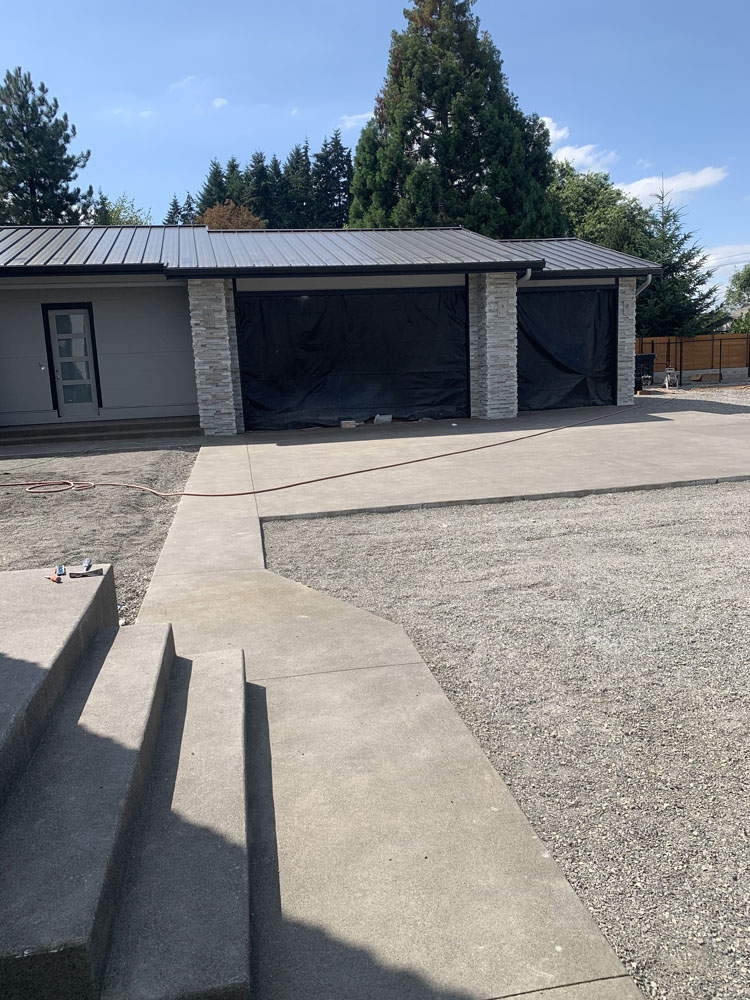
- Brick Masonry: Traditional yet functional, block supplies superb thermal properties. Stone Masonry: Entails using all-natural stones; fantastic for resilience and aesthetics. Concrete Block Masonry: Economical and strong; perfect for modern-day construction.
Each strategy has its benefits relying on task requirements.
The Duty of a Stonework Contractor
A masonry specialist plays a crucial role in both household and business tasks. They not just bring competence however also make certain compliance with building regulations and regulations.
Responsibilities of a Masonry Contractor
Assessing Project Requirements Sourcing Quality Materials Overseeing Building and construction Processes Ensuring Safety and security StandardsThese duties highlight their integral duty in successful construction projects.
The Significance of Quality Materials
Using top notch products can considerably influence the longevity and look of a framework. Seasonal variants can influence product efficiency, which is why knowledgeable service providers stress picking appropriate products based on environmental conditions.
Common Products Utilized in Masonry
- Clay Bricks Natural Stone Concrete Blocks Mortar Mixes
Each product serves its objective while contributing to total structural integrity.
Modern Developments in Masonry
As technology developments, so do stonework strategies. Modern technologies include:
3 D Printing Technology: Streamlining building and construction processes. Eco-Friendly Materials: Lasting alternatives are obtaining traction amongst contractors. Advanced Mortars: Enhance attachment and durability under varying weather conditions.These advancements existing new chances for engineers and home builders alike.
Challenges Dealt with by Today's Masonry Contractors
Even experienced service providers encounter challenges:
- Weather problems can postpone projects. Material shortages might develop unexpectedly. Adapting to brand-new innovations requires continual learning.
Addressing these obstacles is crucial for preserving task timelines and quality standards.
Safety Practices in Masonry Work
Ensuring safety on-site is paramount for any stonework specialist:
Wearing Individual Protective Devices (PPE) Using scaffolding appropriately Proper training strategiesImplementing these techniques helps stop crashes and injuries during building and construction activities.
Case Researches of Historic Structures Built with Masonry
Examining historical structures supplies useful insights right into efficient stonework methods:
The Great Wall of China
Constructed over centuries, this monumental structure highlights old stonework methods still admired today.
Colosseum in Rome
A wonder of Roman engineering, showcasing advanced concrete use throughout its time.
By researching these instances, modern-day professionals can amass lessons relevant to present projects.
Future Trends in Masonry
As we look in advance, a number of trends masonry construction may shape the future landscape of masonry:
Increased Use Prefabricated Units Enhanced Sustainability Practices Digital Cooperation DevicesThese fads suggest exactly how contractors should continue to be adaptable to prosper in a progressing industry landscape.
Frequently Asked Questions (Frequently asked questions)
1. What makes a good stonework contractor?
A great masonry contractor has experience, understanding regarding products, interest to detail, solid communication abilities, and adherence to security procedures-- all essential qualities that ensure effective task outcomes.
2. How long does it take to finish a stonework project?
The timeline differs extensively depending on aspects such as task dimension, complexity, product availability, weather, and labor force effectiveness-- ranging from weeks for little jobs to months for larger constructions like buildings or walls.
3. What are common issues faced during stonework work?
Common problems include moisture infiltration leading to mold and mildew growth or wear and tear with time; inappropriate mixing proportions triggering weak bond staminas; weather-related hold-ups; or unanticipated architectural complications discovered during renovations or repairs-- each needing cautious administration by competent contractors.
4. Is it necessary to work with professionals for small masonry jobs?
While do it yourself enthusiasts may deal with small repair work or installments themselves if they have sufficient skills/knowledge concerning pertinent tools/materials included-- it's often suggested hiring professionals makes sure top quality handiwork minimizes potential errors/costly mistakes down roadway-- especially when architectural honesty at stake!
5. Are there environment-friendly choices readily available in masonry?
Yes! Several makers currently create lasting products designed specifically lower ecological impact-- such as recycled web content bricks/concrete blends-- allowing clients build sensibly without giving up style/functionality!
6. What upkeep does masonry require over time?
Routine inspections need to be carried out identify noticeable cracks/joint separation making sure seals undamaged stopping water damage-- periodic cleansing will certainly additionally maintain surface areas looking fresh/appealing while safeguarding underlying structure integrity!
Conclusion
In final thought, exploring the trip "From Old Rocks to Modern Structures: Insights on Masonry Techniques from Seasoned Contractors" discloses not simply background yet additionally innovation within this old craft-- a testimony strength adaptability showed throughout centuries! With each passing decade brings forth brand-new difficulties & & possibilities shaping future landscape industry, yet core principles craftsmanship remain unchanged guiding hands experienced masons today in the direction of developing spectacular long-lasting works design motivating generations yet come!